A dog birthday cake can be a small, occasional treat when its ingredients suit the individual dog. This pumpkin and peanut butter version uses plain pantry ingredients, with optional yogurt frosting. The cake is for cutting into tiny portions, not serving whole.
Think of it as part of the day’s treat allowance. It isn’t a complete meal, a sensitive-stomach remedy, or a recipe that every dog will tolerate.
Key takeaways
- Use plain pumpkin and xylitol-free peanut butter; check every ingredient label before baking.
- Offer a tiny piece within your dog’s daily treat allowance, with frosting optional.
- Skip homemade cake during an elimination diet or when your vet has restricted ingredients or fat.
Check these ingredients before you bake
Read the peanut butter label every time. Choose a plain product without xylitol, which may also be called birch sugar or wood sugar. A familiar brand or the word “natural” isn’t a safety check. The FDA warns that xylitol can poison dogs and advises contacting a veterinarian immediately after suspected ingestion.
The pumpkin should be plain purée, not pumpkin pie filling. Use unsweetened applesauce without added flavoring or sweeteners. For frosting, choose plain, unsweetened yogurt and leave it off if dairy has caused digestive trouble.
Do not add cocoa, chocolate, raisins, grapes, macadamia nuts, alcohol, coffee, or nutmeg. Keep cake mixes, human frosting, spice blends and sugar-free decorations out of the recipe. The ASPCA’s food-safety guidance is a useful reference when checking unfamiliar ingredients.
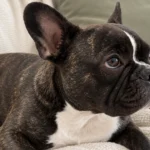
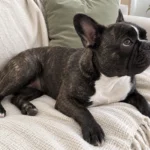
Nina has a chicken allergy, so ingredient checks matter here. That doesn’t establish whether egg, dairy, oats or peanuts suit another dog. If your dog has a diagnosed allergy, a prescribed diet, pancreatitis, diabetes or another condition affecting food choices, ask your vet whether a homemade treat fits the plan. During a food-elimination trial, use only the foods and treats your vet has approved.
Pumpkin and peanut butter dog birthday cake
Makes: two thin 6-inch layers. This is a batch of treats, not one dog’s serving. Preparation: about 15–20 minutes. Baking: approximately 20–25 minutes, plus cooling. Oven and pan differences affect timing.
Ingredients
- 1 cup plain oat flour
- ½ cup plain pumpkin purée
- ¼ cup plain, xylitol-free peanut butter
- 1 egg
- ¼ cup plain unsweetened applesauce
- 1 teaspoon baking powder
Optional frosting: ½ cup plain unsweetened Greek yogurt mixed with 1 tablespoon xylitol-free peanut butter. Use only a thin smear; you don’t have to use the whole batch.
Equipment: two 6-inch round cake pans, parchment, a mixing bowl and a cooling rack. Measure the baking powder into the mixture and keep the container out of reach; baking ingredients and raw batter aren’t dog snacks.
Method
- Heat the oven to 350°F (175°C). Line the pan bases with parchment and lightly grease the sides.
- Stir the oat flour and baking powder together. In another bowl, combine the pumpkin, peanut butter, egg and applesauce.
- Mix the wet ingredients into the dry ingredients until evenly combined. The batter will be thick. Divide it between the pans and level the surfaces.
- Bake for approximately 20–25 minutes. Check that the centers are set and a skewer inserted in the middle comes out without wet batter. If needed, continue baking in short increments and check again.
- Let the layers cool, then remove them from the pans and cool completely on a rack. Remove all parchment before serving.
- If using frosting, mix the yogurt and peanut butter until smooth. For a stacked cake, spread a thin layer between the cakes and a little on top. Alternatively, leave the layers unstacked, lightly top one and freeze the other. Skip frosting for a dog who doesn’t tolerate dairy.
- Cut off a tiny piece for your dog and put the rest away before bringing the plate within reach.
For decoration, use a few small pieces of a food your dog already tolerates, such as a blueberry cut in half or a thin banana slice. Check any decorative dog biscuit for allergens. Remove candles, picks, ribbons, wrappers and other nonfood decorations before your dog approaches the cake.
How much cake should a French Bulldog get?
There isn’t one tablespoon amount that is right for every Frenchie. Age, body condition, medical needs, the ingredients you use and the rest of that day’s treats all matter. Start with a small taste rather than a full slice, and don’t offer seconds simply because your dog finishes quickly.
WSAVA recommends keeping treats to no more than 10% of daily calories. That includes the cake, frosting, chews, training rewards and table scraps together. The other 90% or more should come from the dog’s complete diet. A lower allowance may be appropriate under a veterinary weight-management plan.
For example, if your vet has set a 500-calorie daily allowance, the maximum general treat budget is 50 calories. That is an illustration, not a calorie prescription for French Bulldogs. Peanut butter adds up quickly, so calculate the batch calories from your ingredient labels and divide by the number of equal pieces if you need a measured portion. Don’t assume a cake slice is small enough because it looks modest on a human plate.
Storage and serving later
Keep the cooled cake covered in the refrigerator, especially once it has yogurt frosting. As a cautious household limit, use refrigerated portions within three days; discard anything moldy, spoiled or left unrefrigerated for a prolonged period. Freeze extra unfrosted pieces promptly in a labeled, sealed container. Aim to use them within two months for quality and thaw a small portion in the refrigerator.
Keep thawed pieces soft and bite-sized. A rock-hard frozen lump is not a good substitute for a small birthday bite. Don’t leave the cake where your dog can help themselves to the rest of the batch.
Variations: keep the changes small
A simpler finish: leave the cake unfrosted, or add a thin smear of plain pumpkin your dog already tolerates. This avoids adding dairy and extra peanut butter.
Carrot or banana decoration: finely grated carrot or a small banana slice can change the look without rewriting the batter. Count toppings in the treat allowance.
Peanut-free or egg-free needs: choose a recipe developed for the required ingredients, rather than assuming a spoon-for-spoon replacement will bake the same way. A small portion of your dog’s usual tolerated food can also be served as the birthday treat. A celebration doesn’t require introducing several new foods at once.
Pupcakes: smaller molds change the baking time, and a whole cupcake can still be too much for one dog. If you use a muffin tin, check the centers earlier and portion the cooled cakes before serving. Remove paper or silicone liners.
Oat flour contains grain. It isn’t automatically easier to digest than wheat, and replacing it with almond or coconut flour changes both the fat content and the way the batter absorbs liquid. Grain-free doesn’t mean allergy-safe.
FAQs about dog birthday cake
What kind of birthday cake can dogs eat?
A small amount made from ingredients the individual dog tolerates, without toxic additions. Ordinary birthday cake may contain chocolate, raisins, xylitol or rich frosting, so don’t share it without checking the full recipe. Dogs don’t need cake nutritionally.
Is peanut butter safe in dog cake?
Plain peanut butter without xylitol can be used for dogs who tolerate it. Read the ingredients rather than relying on the brand. It is calorie-dense, so use modest portions and avoid it when your dog’s veterinary diet restricts fat or ingredients.
Can I make this cake without peanut butter?
Yes, peanut-free dog cakes exist, but simply swapping the peanut butter in this batter changes its texture. Use a recipe specifically designed without peanuts or celebrate with a familiar tolerated treat. Don’t substitute another nut butter without checking its ingredients and suitability.
What frosting can I use?
A thin layer of plain unsweetened yogurt is an option for a dog who tolerates dairy. Plain pumpkin or no frosting at all is simpler. Check labels for sweeteners, and don’t use human buttercream or chocolate frosting.
Can puppies have birthday cake?
A puppy needs a complete growth diet, and introducing a rich mixed-ingredient treat can upset their stomach. Ask your vet first, particularly for a very young puppy, and use a familiar puppy treat if there is any doubt. Don’t replace a meal with cake.
Can I make the recipe without flour or eggs?
Those ingredients help the batter hold together. Removing either calls for a different recipe; this version has not been validated with those substitutions. Ground oats are still an oat ingredient, so describing an oat-based cake as grain-free would be misleading.
What if my dog eats cake containing xylitol or chocolate?
Contact your veterinarian or an emergency veterinary service immediately with the ingredient list, amount eaten, time and your dog’s weight. In the US, ASPCA Poison Control is available at 888-426-4435; a consultation fee may apply. Don’t wait for symptoms or induce vomiting unless a veterinary professional tells you to.