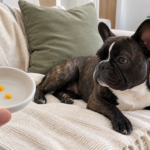
Peeling an orange with a Frenchie beside you can turn a quick snack into a negotiation. If you’re wondering whether to share, the answer is yes: a healthy French Bulldog can have a little plain orange flesh, with the peel and seeds removed. Start with a tiny piece rather than handing over a whole segment.
The useful distinction is between edible fruit and a treat that suits your particular dog. Oranges are optional, especially if yours already has a sensitive stomach. Our guide to fruit French Bulldogs can eat covers other choices if citrus doesn’t agree with them.
Key takeaways
- French Bulldogs can eat a little peeled, seedless orange flesh as an occasional treat.
- Keep peel and plant material out of reach; remove seeds and cut the flesh into small pieces.
- Skip citrus if it upsets your dog’s stomach, and check with your vet about special diets.
Why do some sources say oranges are toxic?
Searching for a simple yes or no can be frustrating here. A warning about an orange tree or its peel isn’t necessarily a warning about a small piece of prepared fruit.
The ASPCA’s orange entry makes that distinction: it identifies essential oils and psoralens as toxic principles, while saying the fruit is edible and the skins and plant material can cause problems. That’s why a peeled bite and a whole orange stolen from the fruit bowl deserve different advice.
Even the edible part can cause stomach trouble. Banfield’s veterinary guidance takes a cautious approach and recommends avoiding citrus to prevent digestive upset. Other veterinary guidance allows small amounts. The practical overlap is straightforward: orange isn’t essential, portions matter, and a dog that gets sick after it shouldn’t keep receiving it.
How much orange can a Frenchie have?
For a first taste, offer one small piece cut from a segment. If your healthy adult Frenchie tolerates that, about one small segment, divided into bites, is a conservative occasional portion. Orange sizes vary, so a large navel-orange segment shouldn’t be treated as equivalent to a tiny clementine segment.
PetMD’s veterinarian-written guide gives size-based portions and highlights sugar, acidity and digestive tolerance. Its figures are general guidance, not a target every dog needs to reach.
Count orange alongside biscuits, training rewards and every other extra. The WSAVA treats guide limits all treats combined to no more than 10% of daily calories. That is a ceiling for extras, not an instruction to fill it with fruit.
Don’t add oranges to a diabetes plan, weight-loss diet or veterinary-prescribed diet without checking with the veterinary team. A dog already having vomiting or diarrhea isn’t a candidate for a new citrus snack.
Prepare the flesh, put the peel away
- Wash the orange before handling the fruit inside.
- Remove the peel and thick white pith.
- Separate a segment and check carefully for seeds.
- Cut the flesh into small pieces and offer a tiny amount while supervising.
- Put discarded peel and seeds in a bin your dog can’t reach.
Purina’s orange advice also separates flesh from the peel, white film and other plant parts. There’s no need to turn removing a few white strands into a panic: the point is to serve a small amount of prepared flesh, not feed the peel as a chewy treat.
Keep the first serving simple. Mixing orange with several new foods makes it harder to work out what caused a problem. If your dog sniffs it and walks away, that’s the end of the experiment. There is no nutritional reason to persuade them.
Fresh orange, juice and other citrus
- Fresh orange flesh: suitable in small amounts for a healthy dog that tolerates it.
- Mandarins, tangerines and clementines: the same preparation and portion rules apply.
- Orange juice: leave it out of the bowl. Sugar and acidity make it a poor drink for dogs; provide water.
- Canned mandarins in syrup: skip them. Added syrup isn’t needed for a dog treat.
- Marmalade, candy and orange desserts: these need their own ingredient check and aren’t substitutes for fresh fruit.
If your Frenchie ate orange peel
Call your vet promptly if your dog swallowed a whole orange, a sizeable piece of peel, an unknown amount, or is showing symptoms. Tell them what was eaten, roughly how much, when it happened and your dog’s weight. Peel is difficult to digest and can create an obstruction risk.
Repeated vomiting, abdominal pain, reduced appetite or unusual lethargy need veterinary attention. Breathing difficulty or collapse is an emergency. Follow the ASPCA’s warning against home-induced vomiting; only do so if a veterinary professional specifically directs you.
A small peeled bite is a different situation. If your dog is comfortable and acting normally, watch for digestive upset and stop sharing citrus if it causes trouble. Our guide to vomiting in French Bulldogs explains other reasons this symptom deserves attention.
FAQs about French Bulldogs and oranges
Do French Bulldogs need oranges for vitamin C?
No. Dogs can make vitamin C themselves, as the Merck Veterinary Manual explains. A piece of orange is a treat, not a needed supplement or an immune-health treatment.
Can French Bulldog puppies eat oranges?
A weaned puppy may tolerate a tiny prepared piece, but citrus isn’t necessary. Ask your vet about new treats, particularly if your puppy has an unsettled stomach or a prescribed feeding plan.
Can Frenchies eat grapefruit?
It’s best to choose another treat. Grapefruit is very acidic, and its peel and plant material can cause problems. Don’t assume that advice allowing orange flesh applies to every citrus fruit or every part of it.
Can orange cause diarrhea?
Yes. Too much, or simply a poor individual tolerance, can upset digestion. Stop the orange and contact your vet for persistent diarrhea, blood, vomiting or a dog that seems unwell. Don’t keep offering smaller portions to a dog with ongoing symptoms.