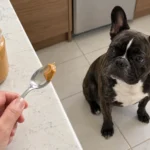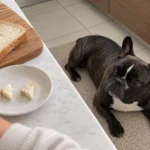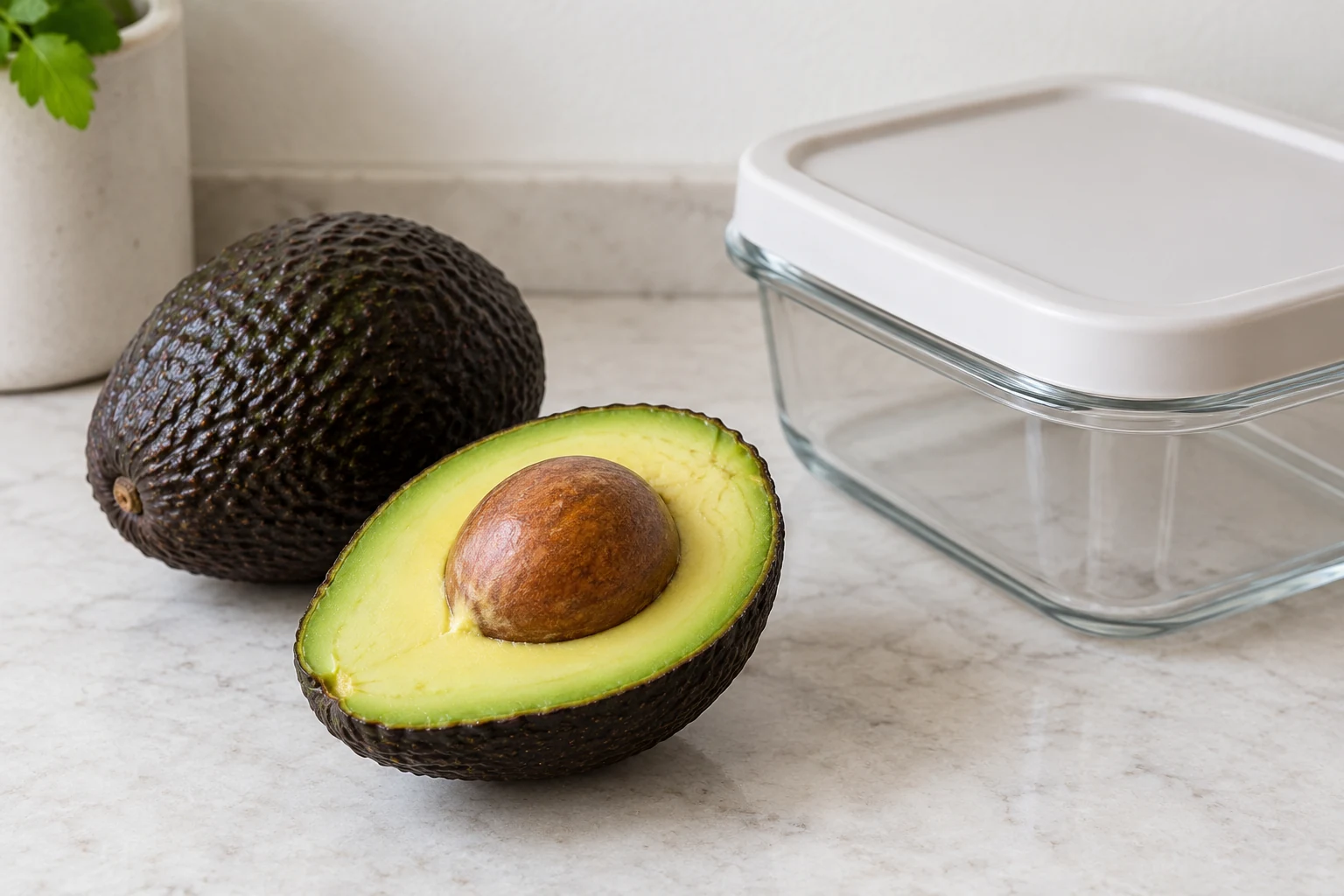

If a little avocado fell from your toast, first check which part your Frenchie ate. A small amount of plain, ripe flesh is a very different situation from a missing pit or a bowl of guacamole. Avocado is best left off the regular treat menu, but a lick of flesh does not automatically mean serious poisoning.
For easier snack options, our guide to fruits French Bulldogs can eat is a useful starting point. If a pit may have been swallowed, put snack planning aside and contact a veterinary hospital immediately.
Key takeaways
- Small amounts of plain avocado flesh are generally lower risk for dogs.
- A swallowed pit needs immediate veterinary advice because it can cause a dangerous blockage.
- Skip guacamole, peel, and plant material; check the exact ingredients and amount after any accidental exposure.
Is avocado poisonous to French Bulldogs?
Avocado contains persin, but different animals react differently. Pet Poison Helpline classifies avocado as non-toxic to dogs and cats, while specifically warning about intestinal obstruction from the seed. That classification should not be read as permission to feed the whole fruit.
The Merck Veterinary Manual describes dogs as relatively resistant to avocado’s toxic effects compared with more susceptible animals, including birds and some livestock. Leaves are the most toxic part of the plant. These species differences help explain why online warnings can seem contradictory.
For a Frenchie owner, the practical questions are simpler: Was the pit involved? Was there peel or plant material? Was it plain flesh or a prepared food? How much disappeared? There is no validated French-Bulldog-specific serving size that removes all uncertainty.
Why a missing pit is urgent
The pit is a large, solid object that can lodge in the digestive tract. Contact a vet immediately if you saw it swallowed or cannot account for it after your dog got into an avocado. Do not wait for the pit to appear in the stool.
A blockage may cause repeated vomiting, reduced appetite, belly discomfort, or unusual tiredness. VCA’s guidance on swallowed objects explains that obstruction can become life-threatening and needs prompt assessment. The absence of symptoms at first is not proof that a swallowed pit will pass safely.
Breathing difficulty, collapse, or apparent choking requires emergency veterinary care. Do not try to push a pit through with bread, oil, or another meal, and do not induce vomiting unless a veterinary professional tells you to.
The flesh still has drawbacks
Avocado flesh is rich in fat. A large serving can cause digestive upset, and fatty extras are unsuitable for some dogs, particularly those whose vet has prescribed a low-fat diet or who have had pancreatitis. Pet Poison Helpline’s veterinary plant guidance identifies the fat content as a concern even though dogs are comparatively resistant to persin.
A small taste does not inevitably cause pancreatitis. Equally, there is no need to add avocado for its healthy-fat reputation in human nutrition. Dogs eating an appropriate complete diet already have their nutritional needs addressed.
For a dog managing excess weight or recurring digestive trouble, their usual food portion or a vet-approved treat is a more straightforward choice. Peanut butter is also calorie-dense, so swapping one rich spread for another does not automatically solve that problem.
Guacamole and avocado toast need an ingredient check
Guacamole often contains onion or garlic, both unsafe for dogs. The ASPCA’s food-hazard guidance explains that these ingredients can damage red blood cells. A prepared dish must be assessed as a whole recipe, rather than only by its avocado content.
Keep the tub, ingredient list, or recipe. Tell your vet if there were onions, garlic, unusual sweeteners, sauces, or other toppings, and mention anything else the dog ate with it. When the recipe is unknown, say so rather than assuming the absence of a visible onion piece makes it safe.
What to do after an accidental snack
- Pit swallowed or possibly missing: contact a veterinary hospital now.
- Guacamole, peel, leaves, a large amount, or an uncertain exposure: call your vet or animal poison control for an individual assessment.
- Only a small lick of plain flesh: this is usually lower risk. Remove the rest, note the amount, and ask your vet if your dog has medical restrictions or you are unsure.
- Vomiting, pain, marked lethargy, or other illness: seek veterinary advice promptly, whatever amount you think was eaten.
Pet Poison Helpline’s avocado advice makes the same important distinction between flesh, mixed dishes, and the physical danger of the pit. Keep avocados and their discarded parts in places your dog cannot reach.
FAQs about French Bulldogs and avocado
My dog swallowed an avocado pit but seems fine. Can I wait?
No. Contact a veterinary hospital immediately and follow its instructions. A normal-looking dog can still have a dangerous swallowed object.
Can puppies have avocado?
It is an unnecessary extra for a growing puppy. Stick with their puppy diet and approved treats. A possible pit ingestion remains urgent at any age.
Is avocado oil a good supplement?
Do not add it routinely without veterinary advice. It contributes concentrated fat and calories, and the right amount of dietary fat depends on the complete feeding plan.
Why do some dog foods contain avocado ingredients?
A formulated food and a whole avocado are different products. Judge the exact food by its nutritional adequacy and suitability for your dog. An ingredient on a commercial label does not make the pit or peel an appropriate treat.
Should I watch for symptoms for a few days before calling?
Do not delay a call after a pit, guacamole, or uncertain exposure. A professional can advise what monitoring is appropriate after assessing the details.