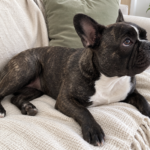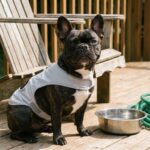
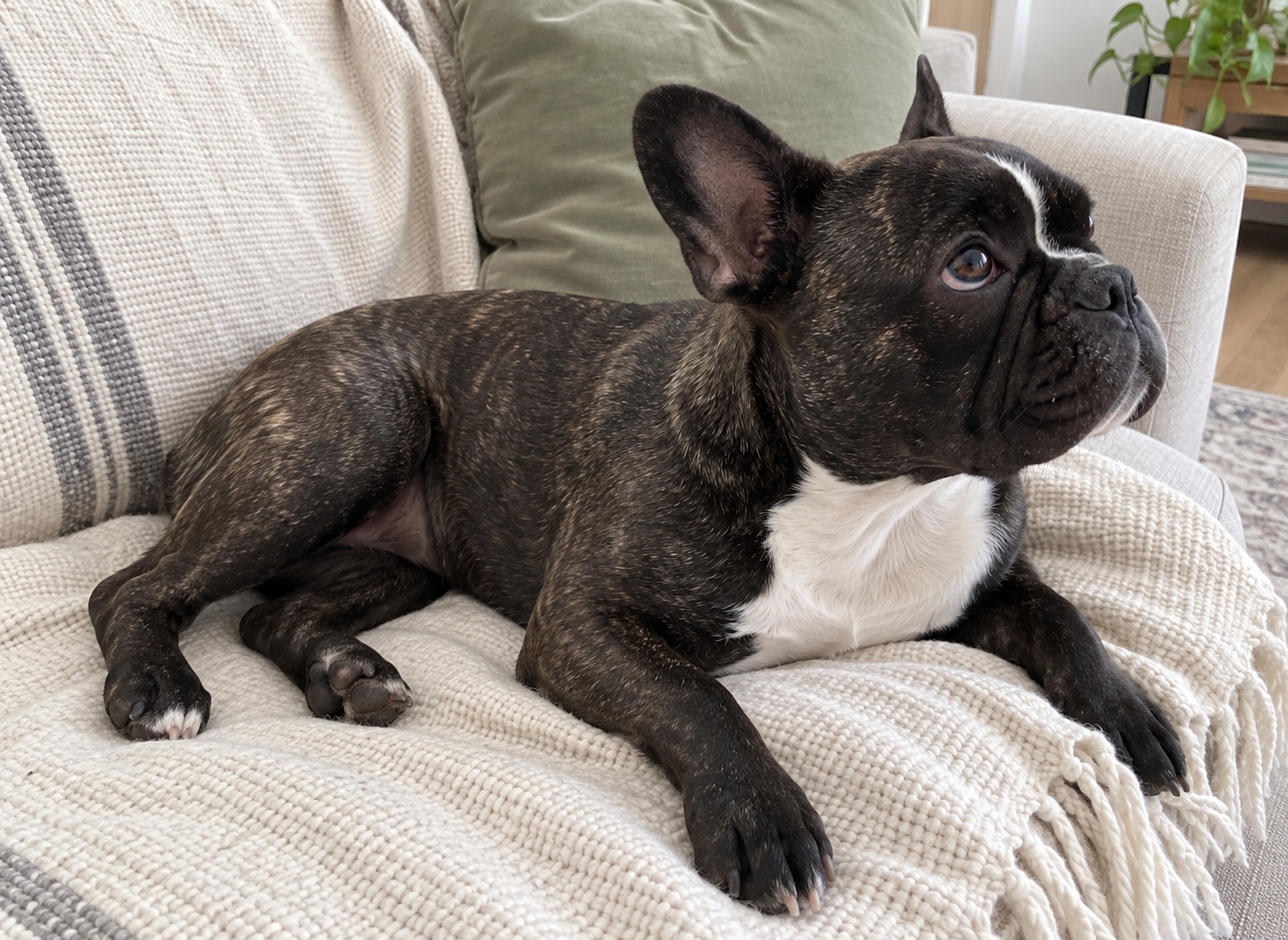

It started at 3 a.m. with a sound every Frenchie parent knows: the jowl-flapping rattle of a violent head shake, over and over, from the foot of the bed. By morning Nina was holding her head at a permanent slight tilt, pawing at one ear, and that ear smelled like a bakery gone wrong. Sweetish, yeasty, unmistakably off.
That was our first ear infection, and I did almost everything you’re supposed to do, in the wrong order, with a detour through the internet’s worst home remedies before landing at the vet where we should have started. Here is the experience I wish I had handled more calmly. Routine ear cleaning is a different question from treating a painful or discharging ear.
Key takeaways
- Head shaking, pain, odor or discharge warrants veterinary advice; smell cannot identify the cause.
- Head tilt, balance changes or severe pain need prompt attention.
- Avoid leftover drops and home remedies. Treatment and rechecks depend on examination, and ongoing cleaning should follow an individual plan.
What a French Bulldog ear infection looks like
With Nina it was a package deal: the nighttime head shaking, one ear suddenly ranked as her favorite scratching project, and a head rubbed along the couch cushions like she was trying to unscrew it. The ear flap itself looked normal at a glance, but folding it back showed a canal that was angry pink instead of pale, with crumbly brown discharge, coffee-ground colored, and that unmistakable yeasty smell. She also flinched and got uncharacteristically grumbly when I touched the base of the ear, which from a dog who tolerates full face-squishing told me everything about how much it hurt.
Not every infection shows the full set. Some dogs just shake, some just smell, some only tilt their head or lose a beat of balance. Contact your vet for advice rather than waiting for a set number of signs. Head tilt, balance changes or severe pain need prompt assessment; do not probe inside at home.
Why French Bulldogs can have ear problems
Upright bat ears do not make a dog immune to canal inflammation. Anatomy, moisture, skin disease and other factors can contribute. Our vet described the canal as skin in a tube, which helped me understand why an ear problem might connect with a wider skin problem.
The UK VetCompass study of French Bulldogs reported increased odds of ear discharge. That is a reason to pay attention, not a diagnosis for every itchy ear. Recurring episodes need investigation; allergy is one possibility, not the only explanation.
What the vet visit involves, and what it costs
The appointment was quicker and less dramatic than the 3 a.m. googling. The vet looked down the canal with an otoscope, including an assessment of the eardrum, took a swab, and looked at it under the microscope while we waited. That cytology step matters more than anything I could have done at home, because the findings help guide treatment rather than guessing from odor. Then came a proper deep clean and prescription drops, with a recheck two weeks later to confirm the canal was actually clear, not just quieter.
Costs vary with location, tests, medication and whether sedation or further investigation is needed. Ask the clinic for an estimate and a recheck plan. Ours ran about the price of a decent harness and was resolved in two weeks; that is our experience, not a price quote or a recovery deadline for another dog.
Why you should not treat it blind at home
You cannot establish the cause or eardrum status by smell or a quick look at the flap. Some products are unsuitable if the eardrum is damaged, and even an examination may need additional steps when swelling or debris blocks the view. The Merck Veterinary Manual’s owner guide explains why diagnosis and treatment are individual.
Do not use vinegar, peroxide, leftover drops or a new cleaner in a painful ear without veterinary direction. Follow the prescribed course and recheck even if the ear seems quieter. Persistent inflammation can become harder to manage, but not every episode follows the same progression.
The prevention routine that has worked since
Once Nina’s recheck came back clean, we started a boring routine: checking both ears regularly and following the vet’s cleaning advice. We have stayed infection-free since, but I cannot promise the same routine prevents every recurrence.
Know what is normal for your dog. Do not use a universal skin-color rule or clean solely because a little wax is visible. Some ears need little cleaning; others need a prescribed schedule. Our ear-cleaning guide covers gentle handling after you know cleaning is appropriate.
Keep the outer ears dry after bathing without inserting objects deep into the canal, and follow the plan for any underlying skin condition. Ear trouble alongside itchy paws is worth mentioning at the appointment.
FAQs about French Bulldog ear infections
Can a dog ear infection go away on its own?
Do not rely on waiting. Pain, odor, discharge or repeated head shaking warrants veterinary advice, and head tilt or balance changes need prompt attention.
Can I treat my Frenchie’s ear infection without a vet?
A painful or discharging ear needs assessment before choosing treatment. Home remedies and leftover medication can be inappropriate, especially when the eardrum status is unknown.
How much does it cost to treat a dog ear infection?
It varies by clinic, location, testing, treatment and complexity. Ask for an estimate that includes the recheck; another owner’s bill is not a reliable quote.
Are French Bulldogs prone to ear infections?
The breed has documented ear-health concerns, including increased odds of ear discharge in the cited study. The cause of an individual episode still needs examination, and recurrence is not automatically a food allergy.
How can I prevent my Frenchie’s next ear infection?
Follow an individual cleaning and underlying-condition plan, monitor for changes and attend rechecks. More frequent cleaning is not automatically better, and prevention cannot guarantee no recurrence.
What does a yeast ear infection smell like?
Owners sometimes describe a musty or yeasty odor, as I did with Nina. Smell cannot reliably distinguish yeast from bacteria or another cause; examination and testing guide treatment.
Why does my dog’s ear have brown discharge?
Wax, inflammation and several different ear problems can change discharge. Color alone does not establish infection or mites. Contact your vet, especially with pain, odor or head shaking.