Picture a French dog and you might imagine a French Bulldog under a café table. France’s canine history is much broader: bird dogs, shaggy herders, determined scent hounds and mountain guardians all belong in the picture. Their original jobs tell you more about living with them than their nationality does.
These 14 French dog breeds and closely associated breeds range from the small Papillon to the imposing Dogue de Bordeaux. A few have shared or complicated origins. Even the French Bulldog’s origins lead back across the Channel to England.
Key takeaways
- French dog breeds include small companions, sporting dogs, herders and livestock guardians with different daily needs.
- Some histories cross borders: the Frenchie has English ancestors, while the Poodle’s origins and registry classification need explanation.
- Choose by temperament, health, activity and grooming needs. A shared country doesn’t make these dogs interchangeable.
What counts as a French dog breed?
It helps to separate where a dog’s ancestors lived, where the modern breed developed and the country named by a kennel organization. Those answers can differ. The Fédération Cynologique Internationale (FCI), for example, lists both Belgium and France for the Continental Toy Spaniel and the Bichon Frise.
This is a selection of 14, rather than every breed with French roots. The Poodle and Basset Hound stay in the list because their French connections are meaningful, but their international histories are explained rather than tidied away.
Small companions with French connections
1. French Bulldog
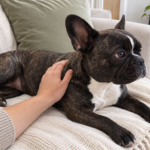
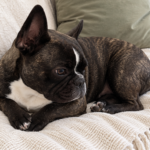
The French Bulldog developed from small English Bulldogs whose owners included Nottingham lace workers. Migrating workers brought dogs to France, where the type became popular and developed further. American enthusiasts later played an important role in establishing the upright bat ear. The AKC’s French Bulldog history describes that cross-border story; calling the modern breed “half French” is too simplistic.
As a household companion, the Frenchie’s size and people-oriented character are appealing. Its flat face brings responsibilities, including heat precautions and attention to breathing. If you’re considering one, look carefully at the day-to-day care a Frenchie needs before choosing for appearance.
2. Papillon
The Papillon is a small, lively toy spaniel with distinctive fringed ears. Papillon means “butterfly”; the drop-eared variety is called Phalène. The FCI places both within the Continental Toy Spaniel and gives the breed Franco-Belgian origins. This is a dog worth considering if you enjoy training and play in a small package, rather than expecting a decorative lapdog.
3. Bichon Frise
The Bichon Frise is another Franco-Belgian companion, recognizable by its white, curled coat. A compact dog can fit physically into a small home, but its grooming needs still take up space in the diary. Ask about brushing, professional trims and cooperative handling before assuming the fluffy coat is easy to maintain.
4. Löwchen
Löwchen means “little lion” in German; in French, the breed is the Petit Chien Lion. Its broader European history is debated, while the FCI lists France as its country of origin. The traditional lion trim leaves a mane-like front and clipped hindquarters. Beneath the haircut is a small companion dog whose care still includes exercise, training and coat maintenance.
Hunters and water dogs
5. Brittany
The Brittany comes from the region of the same name and was developed as a bird dog. It can be a rewarding partner for someone who enjoys an active life and teaching a dog new things. The AKC’s Brittany guidance emphasizes exercise and mental engagement. A couple of hurried toilet trips won’t match the needs of a typical energetic youngster.
6. Basset Hound
The Basset Hound has French and Belgian ancestry, with important later development in Britain. Its name comes from the French word bas, meaning low. The Basset’s scent-hound history explains why an interesting smell can be so compelling. Short legs don’t mean no exercise: allow comfortable walks, sniffing and weight management rather than treating this hound as a permanent sofa ornament.
7. Petit Basset Griffon Vendéen
The name gives you several clues: small, low-set, rough-coated and from the Vendée region. Often shortened to PBGV, this is a lively scent hound with a shaggy appearance. The PBGV’s hunting background makes secure outings and rewarding recall practice sensible considerations. Meet adults before assuming the size means a quiet, undemanding dog.
8. Barbet
The Barbet is a French water dog, with a curly coat that needs regular brushing and combing. The name is associated with barbe, French for beard. It can appeal to an active household that wants a close companion and is comfortable with coat care. Its water-retrieving history doesn’t mean every individual automatically enjoys swimming or needs strenuous distance running.
Herders and guardians
9. Beauceron
The Beauceron is a large, powerful French herding dog. Its working background is central to the decision to live with one. Training, appropriate outlets and handling a strong adult need to be part of the plan. It is a much more demanding starting point than choosing a small companion breed simply because you like the same country of origin.
10. Briard
The Briard is a long-coated French herder associated with both tending and protecting livestock. That impressive coat calls for a realistic grooming plan. Spend time with the breed and discuss socialization, activity and visitors with an experienced owner or breeder. Its family attachment doesn’t automatically mean an easygoing response to every unfamiliar person.
11. Berger Picard
With upright ears and a rough coat, the Berger Picard has an unmistakably rustic appearance. This herding breed comes from northern France and has a history of working independently. Positive training, thoughtful socialization and meaningful activity matter more than the appealing scruffy look. An unusual breed is still an everyday responsibility once it comes home.
12. Dogue de Bordeaux
The Dogue de Bordeaux, also called the French Mastiff, is a substantial, powerful dog associated with southwestern France. Before considering one, think through adult handling, transport, housing and veterinary costs. A loving relationship with family can coexist with guarding tendencies. Early training and suitable management are essential, especially in a busy home with visitors.
13. Great Pyrenees
Also called the Pyrenean Mountain Dog, the Great Pyrenees developed around the mountains between France and Spain as a livestock guardian. It protected flocks rather than moving them like a herding dog. That distinction helps explain its independence and watchfulness.
A calm-looking adult can still take guarding seriously. Consider space, boundaries, barking and your ability to manage a very large dog. The breed’s independence can surprise owners accustomed to dogs eager to follow every cue.
The Poodle’s more complicated passport
14. Poodle
The Poodle has a powerful association with France, where it is called the Caniche. The FCI lists France as its country of origin. The AKC’s historical account emphasizes German water-retriever roots while acknowledging a broader, old European history. Both points deserve room in an accurate account; a blunt “the Poodle isn’t French” misses the distinction between ancestry and modern breed development.
Poodles are active, capable dogs in several sizes. Their coat needs regular care, even when kept in a practical pet trim. Choose a size and individual that suit your home, and plan for training and exercise alongside grooming. The elaborate show haircut tells you very little about the dog’s enthusiasm for doing things.
Which French dog might suit your household?
| What you want | Breeds to investigate | What to check carefully |
|---|---|---|
| A smaller companion | Papillon, Bichon, Löwchen, French Bulldog | Grooming, handling, health and time-alone needs |
| An active training partner | Brittany, Poodle, Barbet | Daily activity, mental engagement and coat care |
| A scent-hound companion | Basset Hound, PBGV | Secure outings, recall expectations and individual energy |
| A working herder | Beauceron, Briard, Berger Picard | Experience, training time and outlets for working behavior |
| A large guardian-type dog | Dogue de Bordeaux, Great Pyrenees | Strength, independence, visitors, boundaries and costs |
Everyday details often decide the fit. In a Bichon-owner discussion, coat care is raised as a major adjustment for a new owner. It’s one household’s advice, not a scientific comparison, but it’s a useful question to ask before bringing home a fluffy companion: who will do the brushing, and when?
For any breed, meet adult dogs when possible, ask for relevant health-test results and describe your routine honestly. If you have children, supervised introductions and dog-free boundaries remain important. “Good family dog” describes a successful match and management plan, not an automatic breed entitlement.
Popular in France isn’t the same as French
The Australian Shepherd is a good example of the difference. The breed developed in the United States and became highly popular in France. However, it no longer led the latest complete annual LOF registration figures: Centrale Canine’s 2025 results put the Golden Retriever first with 15,062 registrations, ahead of the Australian Shepherd’s 14,609.
Those are registrations in the French pedigree registry, not a census of all dogs living in France. Neither popularity nor national heritage tells you which dog will fit your own home.
FAQs about French dog breeds
What dog breeds come from France?
Examples include the French Bulldog, Brittany, Barbet, Beauceron, Briard, Berger Picard and Dogue de Bordeaux. Other familiar names have shared histories: the Papillon and Bichon are Franco-Belgian, while the Basset Hound and Poodle need a little more historical context.
Is the French Bulldog really French?
Yes, France was central to the development of the modern breed, although its toy Bulldog ancestors came from England. American breeders also helped establish the bat-ear standard. It is more useful to explain those contributions than to assign the breed a nationality percentage.
What is France’s national dog?
The Poodle is widely described as France’s national dog, including by the AKC. Treat that as a cultural association rather than assuming an official legal designation. Its German-linked ancestry and French development are both part of the story.
What is the most popular dog breed in France?
The Golden Retriever led Centrale Canine’s 2025 LOF registration ranking. That measures registered pedigree dogs for that year, rather than every pet dog in France. The Australian Shepherd ranked second after leading for seven years.
What are some small French dog breeds?
The Papillon, Bichon Frise, Löwchen and French Bulldog are smaller options with French connections. Toy and Miniature Poodles also belong in the conversation. Compare adult build, activity and care needs rather than assuming all small dogs suit the same routine.
What are the biggest French dog breeds?
The Great Pyrenees and Dogue de Bordeaux are among the largest breeds here. Both require planning for a strong adult dog, but they have different working histories and temperaments. “Biggest” can mean height or weight, so there isn’t one useful winner for every comparison.
Are French dog breeds good family dogs?
Many individuals can live happily in suitable families. A Brittany’s exercise needs, a Briard’s coat and a Great Pyrenees’ independence create different demands. Choose the individual carefully, provide training and always supervise young children around dogs.
What do Basset, Griffon and Berger mean?
In breed names, Basset refers to a low-set dog, Griffon describes a rough-coated type, and Berger means shepherd. Vendéen points to Vendée and Picard to Picardy. These names often preserve useful clues about appearance, work or place.