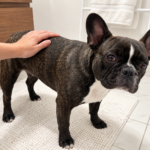
Struggling to breathe, blue-gray gums, marked weakness or collapse needs emergency veterinary care, not a cold remedy. Keep your dog calm, avoid heat and call the emergency clinic while arranging transport. Cornell’s respiratory-distress guidance explains why these signs cannot wait.
A new cough or runny nose can look like a “cold,” but that label does not tell you what is wrong. Frenchies can develop infectious respiratory illness as well as the structural breathing problems associated with BOAS. Familiar snuffling is not a reason to dismiss a change.
Quick takeaways
- Contact your vet about a new persistent cough or respiratory signs, especially with low energy or reduced appetite.
- Keep a coughing dog away from other dogs and tell the clinic before arrival.
- Home support means rest, water access and monitoring within your vet’s plan, not a proven natural cure.
- Do not give human cold medicines, leftover antibiotics or cough suppressants without veterinary direction.
What owners may describe as cold symptoms
Respiratory infections can cause coughing, sneezing, nasal or eye discharge, tiredness and reduced interest in food. Some dogs become much more unwell. The American Animal Hospital Association advises contacting a veterinarian about these signs, particularly persistent cough or difficulty breathing.
Several organisms can cause canine infectious respiratory disease complex, often called kennel cough. Canine influenza is another contagious respiratory disease; symptoms alone cannot identify it. CDC’s dog-flu guidance notes that testing may be appropriate and that severe cases can involve pneumonia.
A cough can have noninfectious causes too. Do not diagnose kennel cough from a honking sound or assume that every sneeze means infection. Our separate guides cover reverse-sneezing episodes and noisy sleep; neither can identify an unfamiliar episode in your dog.
Make the call useful
Tell the clinic when the signs started, whether they are worsening, and whether your dog is eating, drinking and breathing comfortably at rest. Mention recent boarding, grooming, daycare or contact with a coughing dog. A short video may help if recording it does not delay care. If this were happening with Nina, I would want those observations ready rather than relying on the word “cold.”
Ask how soon your dog should be examined and where to wait on arrival. PDSA recommends warning the clinic about coughing so they can avoid exposing dogs in the waiting room. Do not simply walk into a busy reception area with a potentially contagious dog.
Supportive home care, once your vet says it is appropriate
- Make room for rest. Pause energetic play and follow the vet’s advice about activity and toilet trips. Exercise can aggravate a cough.
- Keep fresh water available. Note whether your dog drinks normally. Contact the clinic if they are not drinking or cannot keep water down; do not force it into their mouth.
- Keep surroundings comfortable. Choose a quiet resting space away from smoke and heavy sprays. Avoid overheating your Frenchie or turning the bathroom into a hot steam treatment.
- Follow the prescribed plan. Give only the medicines directed for this dog and episode. Ask when the clinic expects an update rather than choosing your own waiting period.
These steps support comfort; they do not identify or eliminate an infection. There is no reason to add a supplement, oil or homemade mixture simply because it is marketed as natural. Ask the vet before introducing any remedy.

Keep the illness from spreading
Skip daycare, boarding, group training, shared bowls and dog-park visits while seeking advice. Ask the vet how to manage other pets at home. Clean hands and shared equipment, and follow advice about laundering bedding and appropriate cleaning products.
Feeling better does not necessarily mean no longer contagious. Cornell’s Bordetella guidance explains that shedding can continue after symptoms resolve. The right separation period depends on the suspected infection and veterinary advice, not a universal number of cough-free days.
FAQs about French Bulldog cold symptoms
Can I give children’s cold medicine?
No, not without explicit veterinary direction. The FDA warns against medicines intended for people or another pet unless your veterinarian directs their use. A small human dose is not automatically a safe dog dose.
Does my dog need antibiotics?
Not every respiratory illness does. Your vet decides based on the likely cause and severity; antibiotics do not treat viruses. Do not use leftovers or share another pet’s prescription.
When should I call again?
Call sooner if coughing worsens, appetite or drinking drops, or your dog becomes unusually tired. Breathing effort, blue-gray gums or collapse means emergency help. Do not wait for a planned recheck when the situation changes.
Can vaccination prevent every cough?
No. Discuss respiratory vaccines with your vet based on exposure and individual health. Vaccination can reduce risk or severity for particular infections, but a vaccinated dog with new signs still needs assessment.
The useful goal is not to find the strongest home remedy. It is to know when help is needed, keep your Frenchie comfortable and protect other dogs while the cause is assessed.